Insights for Busy Professionals
Practical, science-backed insights on strength training, fat loss, and advanced recovery. Built for busy professionals and lifters over 40 who want to build muscle, optimize performance, and accelerate results without wasting time on ineffective routines.

Calorie and Macro Requirements Calculator
Practical, science-backed insights on strength training, fat loss, and advanced recovery. Built for busy professionals and lifters over 40 who want to build muscle, optimize performance, and accelerate results without wasting time on ineffective routines.

The Anti-Injury Blueprint: Strengthening Your Body for Everyday Tasks
True fitness isn't just about what you look like—it’s about how you function. Longevity is about Healthspan—the number of years you spend living in a body that is strong, pain-free, and capable.
Whether you are 25 or 75, this "Anti-Injury Blueprint" is designed to help you stop training for aesthetics alone and start training for the rest of your life.

Build a Stronger Back: Complete Exercise Library & Technique Guide
Welcome to your ultimate resource for developing a powerful, defined, and injury-resistant back. Whether you are aiming to increase your pulling strength, improve your posture, or maximize muscle hypertrophy, proper form is the foundation of every successful workout. This comprehensive exercise library provides step-by-step instructions, expert technical cues, and essential diagrams for the most effective back-building movements—from foundational pull-ups and rows to targeted cable isolation exercises. Master your technique, eliminate common training mistakes, and take the guesswork out of your back day with our science-backed guide designed for athletes of all levels.

Master Your Leg Day: The Complete Guide to Lower-Body Strength
Building powerful, resilient legs is the foundation of any elite strength program, whether you are training for sports performance, injury prevention, or general fitness. This comprehensive guide breaks down the technical execution of the most effective lower-body movements, from foundational squats to advanced posterior chain variations. By mastering the precise mechanics of these exercises, you can maximize muscle activation, improve your movement efficiency, and ensure long-term progress safely and effectively.

Master Your Pec Development: The Complete Guide to Chest Training
Developing a dense, powerful chest is a hallmark of an elite physique and a key driver for upper-body pushing strength, essential for both athletic performance and functional daily movement. This comprehensive guide breaks down the technical execution of the most effective pectoral movements, from foundational barbell presses to precision isolation work. By mastering the precise mechanics of these exercises, you can maximize muscle fiber recruitment, enhance shoulder stability, and ensure consistent, injury-free progress.

The Complete Guide to Shoulder Development
Broad, well-developed shoulders are the centerpiece of an aesthetic physique and the powerhouse of your upper-body stability. Whether you are aiming to increase your overhead pressing strength, improve your posture, or maximize hypertrophy in the deltoids, this guide provides the technical blueprint for the most effective shoulder movements. By mastering the precise biomechanics of these exercises—from foundational compound presses to targeted lateral isolation—you can ensure maximum muscle recruitment while protecting your joints from common strain.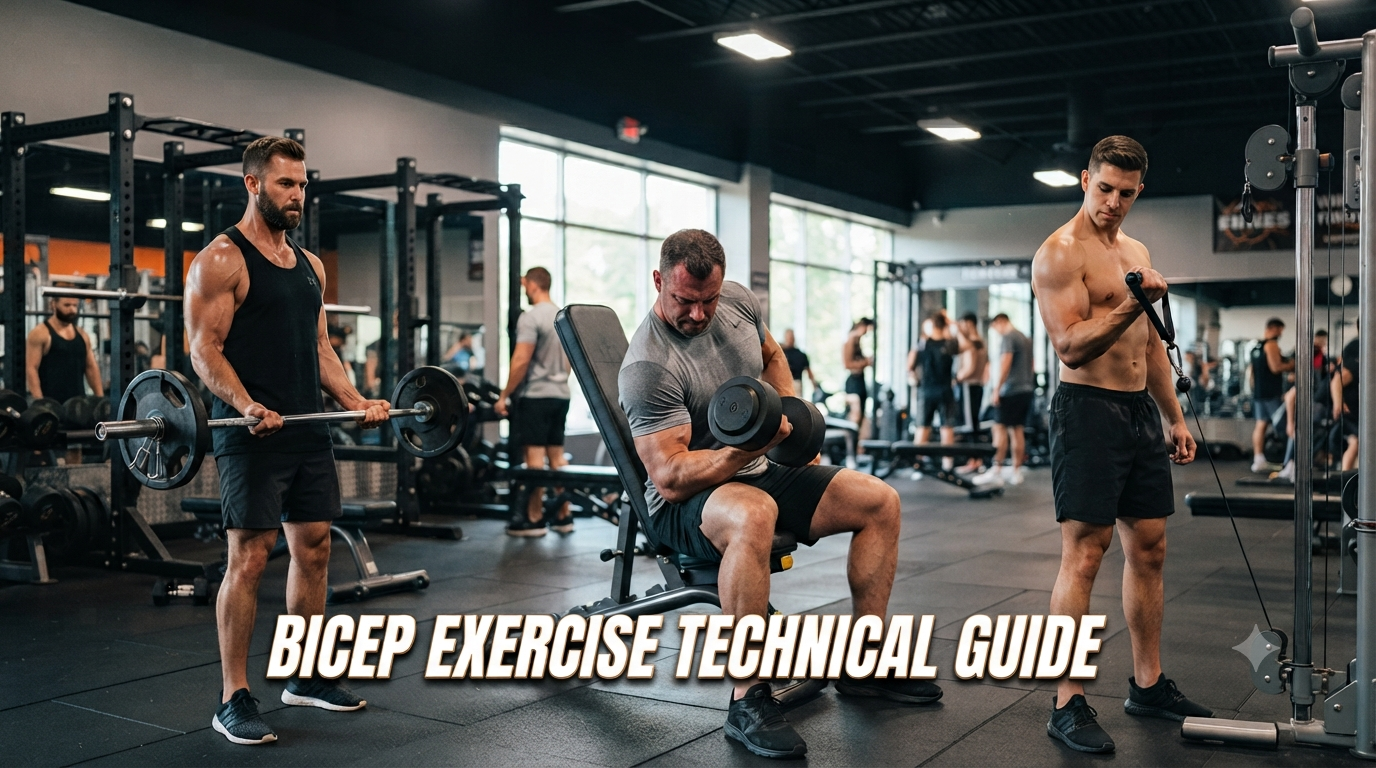
Master Your Bicep Development: The Complete Guide to Upper-Arm Strength
Building aesthetic, functional, and powerful arms is a core component of any complete physique, serving as the essential finishing touch for upper-body performance and balanced muscle development. This comprehensive guide breaks down the technical execution of the most effective bicep movements, ranging from heavy supinated curls that build overall thickness to precision isolation exercises that target the peak and the brachialis. By mastering the precise biomechanics of each curl, you can maximize fiber recruitment, enhance your mind-muscle connection, and ensure consistent, injury-free growth.

Master Your Tricep Development: The Complete Guide to Upper-Arm Strength
Building impressive, functional arms is only half the battle until you master the triceps, which make up roughly two-thirds of your upper arm's mass. This comprehensive guide breaks down the technical execution of the most effective tricep movements, ranging from heavy, compound pressing motions that build foundational thickness to precision isolation exercises that target each of the three distinct heads. By mastering the precise biomechanics of elbow extension and optimizing your shoulder positioning, you can maximize motor unit recruitment, enhance your mind-muscle connection, and ensure consistent, injury-free growth for a balanced, powerful physique.

Hot and Cold Contrast Baths: Benefits, Protocols & Muscle Growth
Hot and cold contrast therapy—alternating between periods of heat (like a sauna or hot bath) and intense cold (like a cold plunge tub)—is one of the most popular recovery protocols in professional sports and high-end wellness clinics.
When you watch athletes cycle between a blazing sauna and an icy tub, it looks extreme. But underneath the social media theater lies a fascinating and heavily researched physiological mechanism.

Hyperbaric Oxygen Therapy 101: Science, Recovery & Marketing Hype
Hyperbaric Oxygen Therapy (HBOT)—using hard or soft hyperbaric chambers—is one of the most intriguing and heavily debated modalities in the high-performance and longevity space. Originally designed to treat decompression sickness in divers and stubborn, non-healing wounds, it has exploded in popularity among athletes and executives looking to accelerate recovery and cognitive function.

Red Light Therapy 101: Cellular Optimization vs. Marketing Hype
Hyperbaric Oxygen Therapy (HBOT)—using hard or soft hyperbaric chambers—is one of the most intriguing and heavily debated modalities in the high-performance and longevity space. Originally designed to treat decompression sickness in divers and stubborn, non-healing wounds, it has exploded in popularity among athletes and executives looking to accelerate recovery and cognitive function.

Infrared vs. Traditional Saunas: Which One Belongs in Your Recovery Protocol?
If you step into a modern recovery lounge or a high-end wellness studio, you’ll likely find a sauna waiting for you. But as the popularity of heat therapy has exploded, a debate has emerged: Should you sweat it out in a traditional Finnish sauna, or step into a modern infrared cabin?
For the high-performing professional or dedicated athlete, both offer incredible benefits, but they work in fundamentally different ways.
As a performance coach, my philosophy on recovery is simple: Understand the mechanism so you can choose the tool that actually aligns with your goals.

Nootropics 101: Brain Fuel or Marketing Hype?
Hyperbaric Oxygen Therapy (HBOT)—using hard or soft hyperbaric chambers—is one of the most intriguing and heavily debated modalities in the high-performance and longevity space. Originally designed to treat decompression sickness in divers and stubborn, non-healing wounds, it has exploded in popularity among athletes and executives looking to accelerate recovery and cognitive function.

Collagen for Athletes: Whole Foods, Synthesis & Joint Resilience
When people think about building muscle, they naturally think of lean meats, protein powders, and heavy iron. But what about the structural glue that holds your skeleton together—your tendons, ligaments, cartilage, and joints?
As we push our bodies through strength training and high-performance living, our connective tissues take the brunt of the mechanical load. Muscle tissue recovers relatively quickly due to rich blood flow, but tendons and ligaments take much longer.
To build a resilient body that stays injury-free for decades, you need to nourish your joint architecture—starting with collagen.

The Vitamin D Blueprint: Mood, Hormones, and Body Composition
If you work indoors, sit at a desk all day, and train under fluorescent gym lights, there is a high probability that your body is starved of one of its most critical performance nutrients.
We casually call it a "vitamin," but medically speaking, Vitamin D is a steroid hormone. Every single cell in your body has a receptor for it. When your levels are optimized, it acts as a master regulator for your entire physiological system. When your levels drop, the fallout extends far beyond just a weak immune system—it directly impacts your psychology, your hormones, and your physical results in the gym.

Why Probiotics Matter: Gut Health and Nutrient Absorption
If your digestive system is compromised, even the highest-quality nutrition plan won't yield optimal results. This is where probiotics step out of the "digestive health" corner and into the realm of high performance.
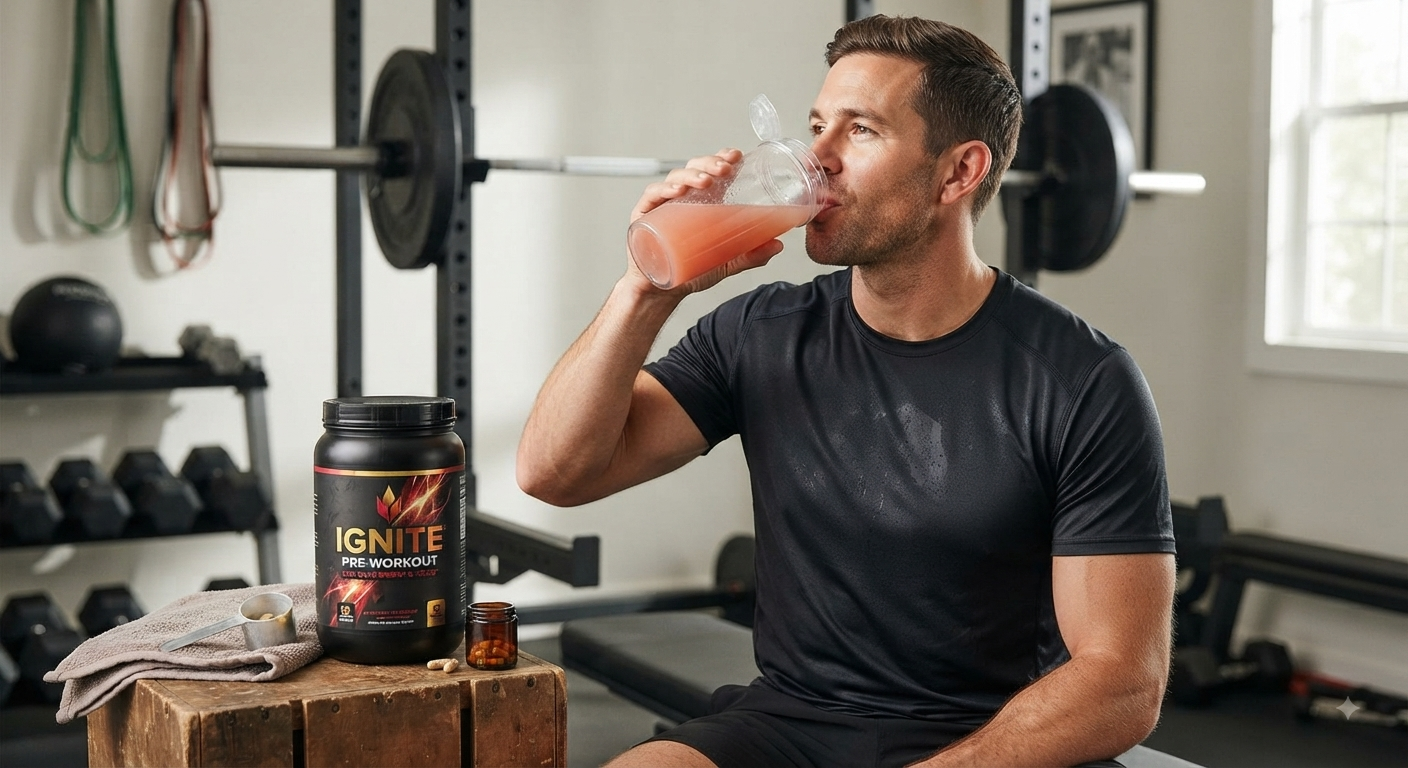
The Truth About Pre-Workout: Do You Actually Need It?
Walk into any supplement store, and you’ll find rows of neon-colored powders promising "insane pumps," "laser focus," and "limitless energy."
For the high-performing professional, pre-workout supplements have become the go-to fix for a sluggish afternoon or a grueling training session after a long workday. But before you scoop another stimulant-heavy powder into your shaker, let’s look at what is actually in those tubs—and how you can build a far more effective pre-training protocol.
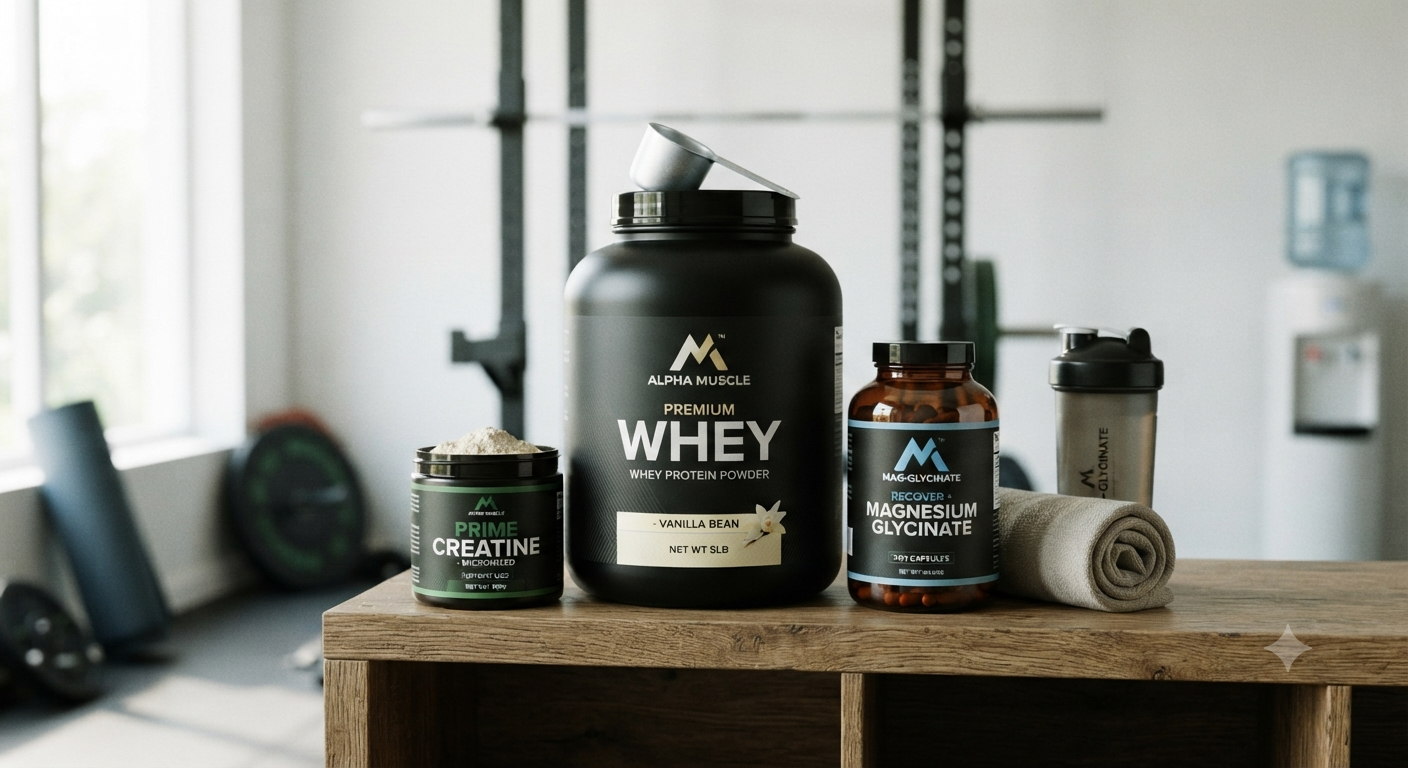
The Supplement Audit: The "Big Three" That Actually Move the Needle
The supplement industry is designed to be confusing. With thousands of products promising "rapid transformation," it’s easy to spend a fortune on things that offer zero return on investment. Once your sleep, nutrition, and training are dialed in, these three supplements act as "force multipliers" for your brain and body.

Immunity as a Performance Metric: Why You Can’t Afford to Get Sick
If you are sick, you aren't training. If you aren't training, you aren't progressing. For the high-performing professional, "immune support" isn't about avoiding a common cold—it’s about ensuring your body has the resources to recover from the intense stimulus of your training program.
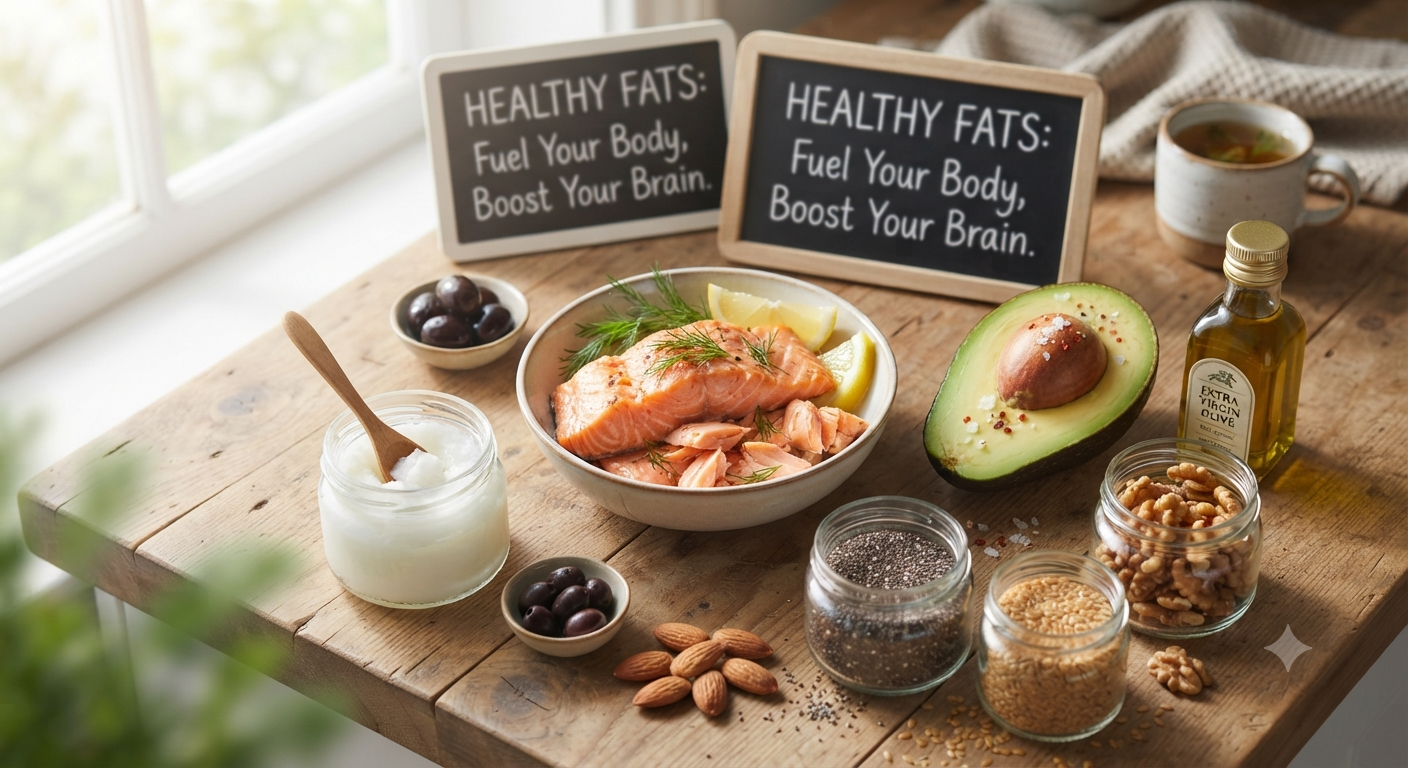
The Fat Myth: Why Your Hormones Need Dietary Fat to Thrive
For decades, the "low-fat" craze convinced everyone that fat was the enemy. In reality, avoiding fat is one of the fastest ways to tank your energy, crash your sex hormones, and stall your progress in the gym. If you want a body that performs, repairs, and regulates itself efficiently, you need to stop fearing fat and start viewing it as essential maintenance.