
Why You’re Not Losing Body Fat (Even Though You’re Eating Less and Training More)
A structured approach to fat loss for busy professionals
If you’re training consistently, eating less, and still not seeing fat loss, the issue may not be effort — it’s likely how your body is responding to that approach.
This is one of the most common issues I see working with busy professionals in Port Melbourne. More often than not, the problem isn’t a lack of discipline — it’s an approach that’s working against your physiology.
What’s Actually Stopping Fat Loss
When calorie intake is too low for too long, combined with high volumes of cardio, the body begins to adapt.
Instead of continuing to burn fat efficiently, it shifts toward energy conservation. This can lead to:
Reduced metabolic output
Increased fatigue and poor recovery
Higher stress levels
Greater likelihood of storing body fat
In many cases, this is linked to poor blood glucose regulation and elevated stress hormones, both of which make fat loss significantly harder.

The Mistake Most People Make
When progress stalls, the default response is to do more:
More cardio
Fewer calories
More frequent training
While this may work short-term, it often leads to diminishing returns and eventually plateaus.
This approach can push the body further into a stressed state, making fat loss more difficult rather than easier.
What Actually Works
To restore fat loss and improve body composition, the focus needs to shift toward a more structured and sustainable approach:
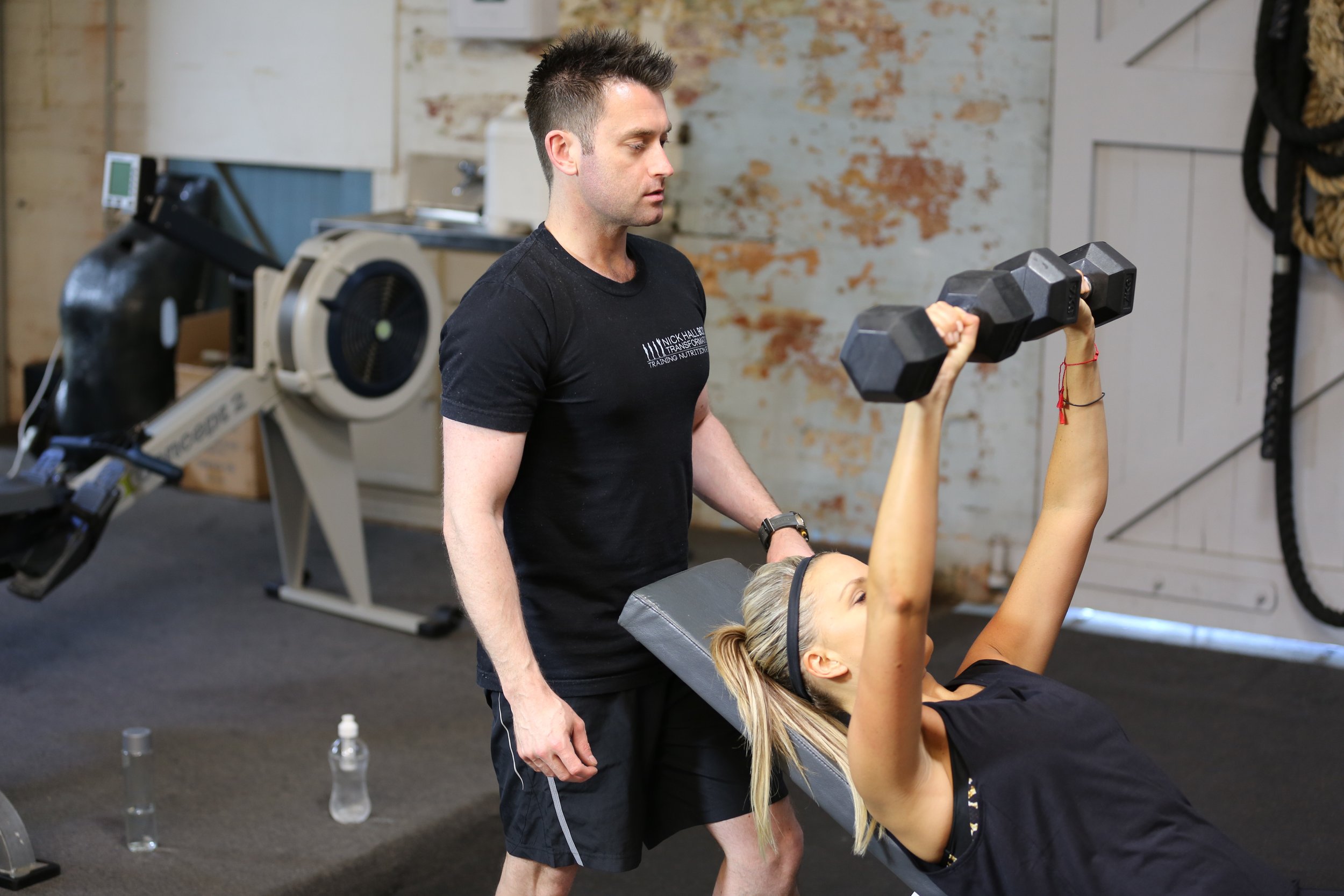
Introducing progressive strength training to build muscle and increase metabolic demand
Adjusting calorie intake to support performance and recovery
Reducing unnecessary cardio and focusing on quality over quantity
Improving sleep and stress management to support hormonal balance
This allows the body to move out of a stressed state and return to a position where fat loss can occur more effectively.
Why a Structured Approach Makes the Difference
This is where most people struggle on their own — knowing what to change and when.
A structured approach considers:
Training progression
Nutrition strategy
Recovery and stress levels
Tools such as Bioprint (Biosignature) analysis can also help identify patterns in body fat storage and highlight underlying factors affecting progress.
This removes guesswork and allows for more precise adjustments over time.
This is a pattern commonly seen in busy professionals balancing demanding work schedules with training. Limited time often leads to over-reliance on cardio and under-fuelling, both of which can work against long-term results.
Shifting to a more structured approach not only improves body composition, but also energy, performance, and consistency.
Take a Structured Approach to Fat Loss
If you’re putting in the effort but not seeing results, the issue is often the approach — not your consistency.
Learn more about personal training in Port Melbourne and how I can build a structured plan that actually works for your body and lifestyle.